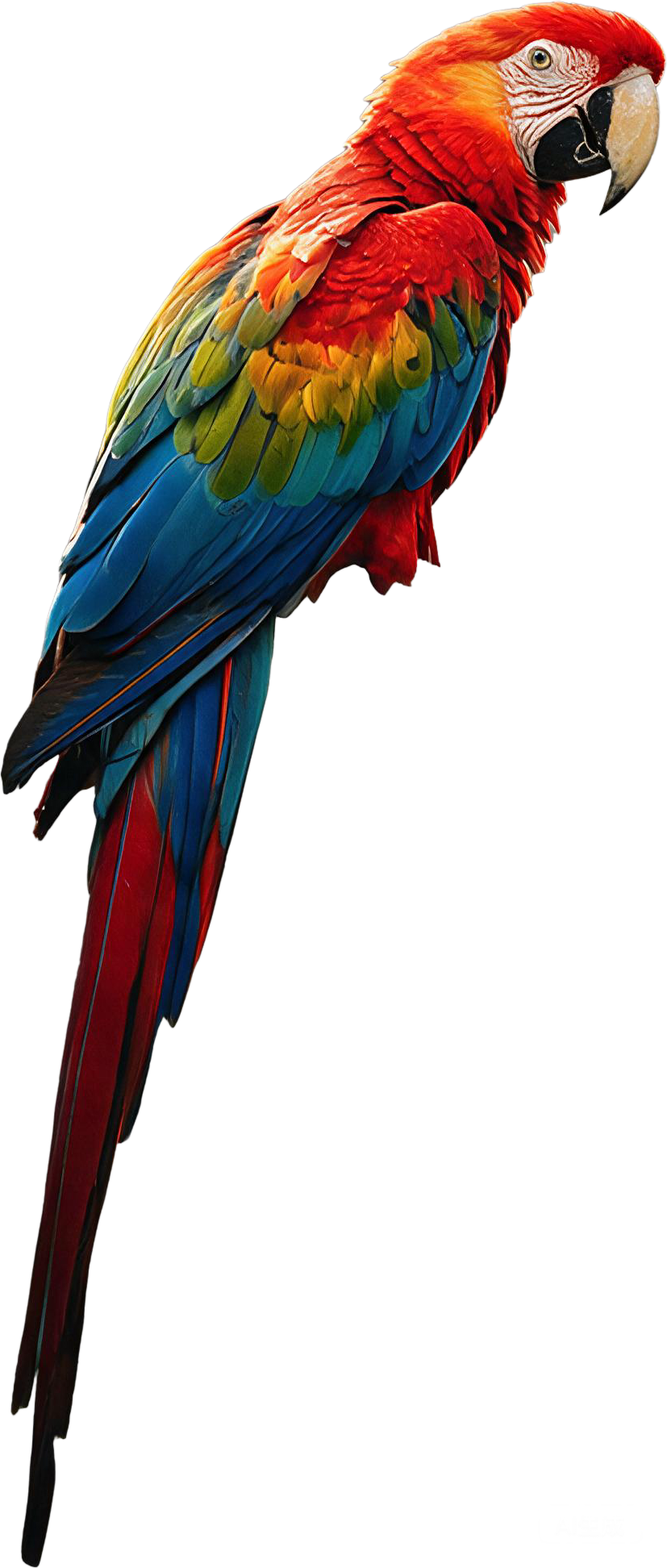
Voorgrond-extractie
Precisely isolate the main subject from any image with AI-powered edge detection, preserving fine details like hair, fur, and transparant elements.

De professionele modus vereist inloggen en wordt per laag berekend
Controleer elke laag in de browser, behoud positie en volgorde en exporteer een gelaagde PSD of de transparante PNG-stapel.
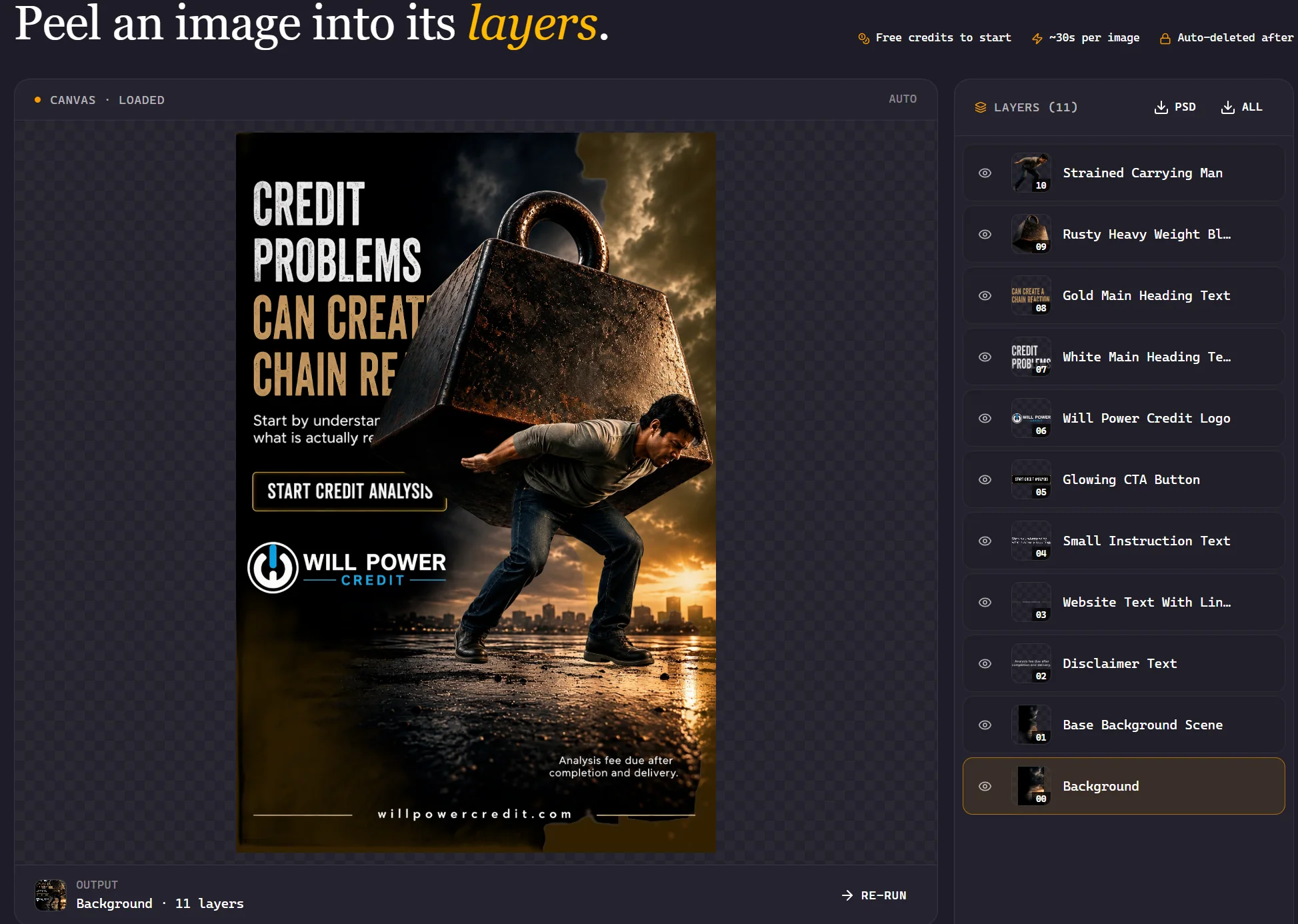
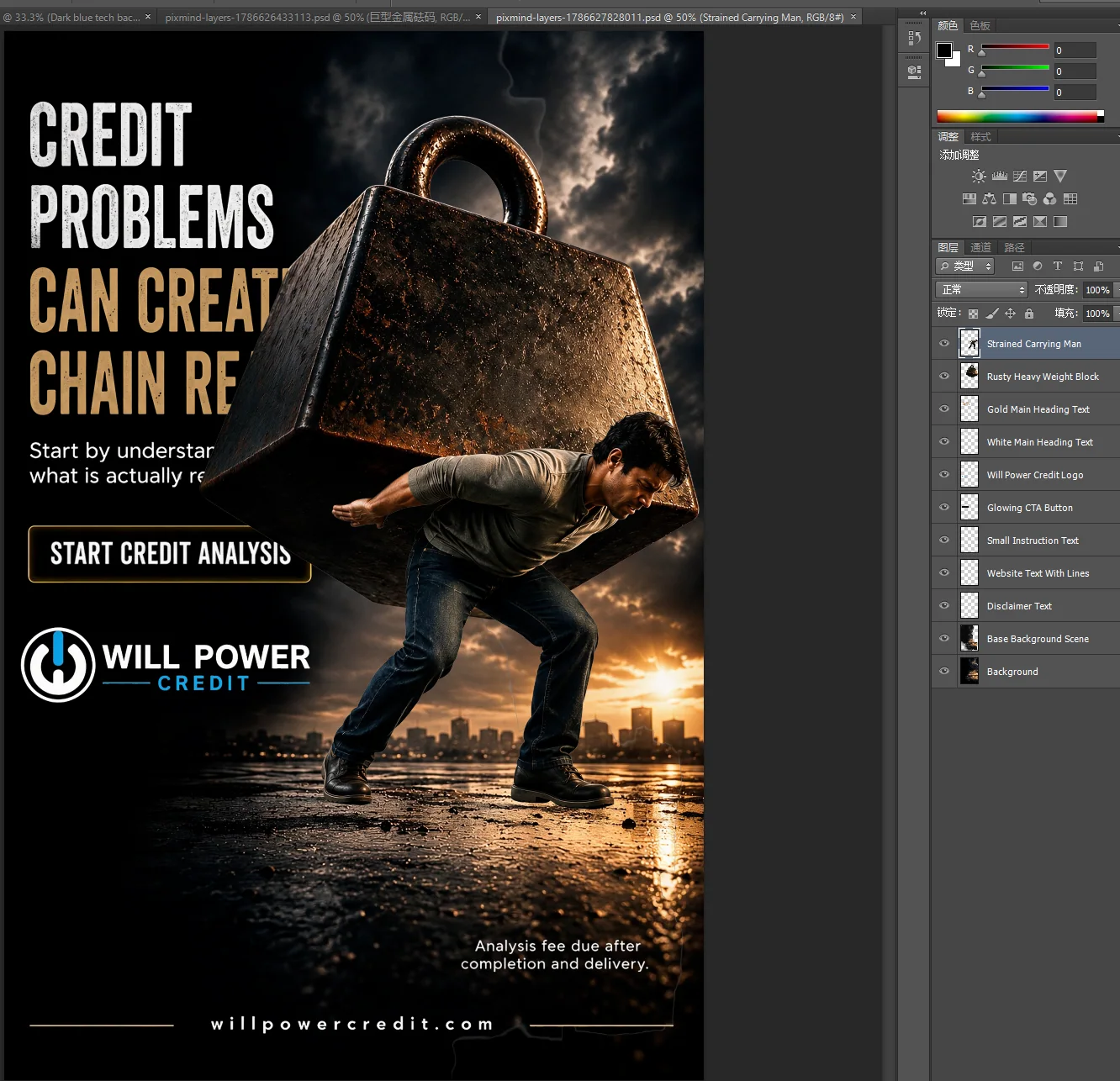
Ontdek hoe AI-afbeeldingslaag-ontleding uw creatieve workflow transformeert
Precisely isolate the main subject from any image with AI-powered edge detection, preserving fine details like hair, fur, and transparant elements.
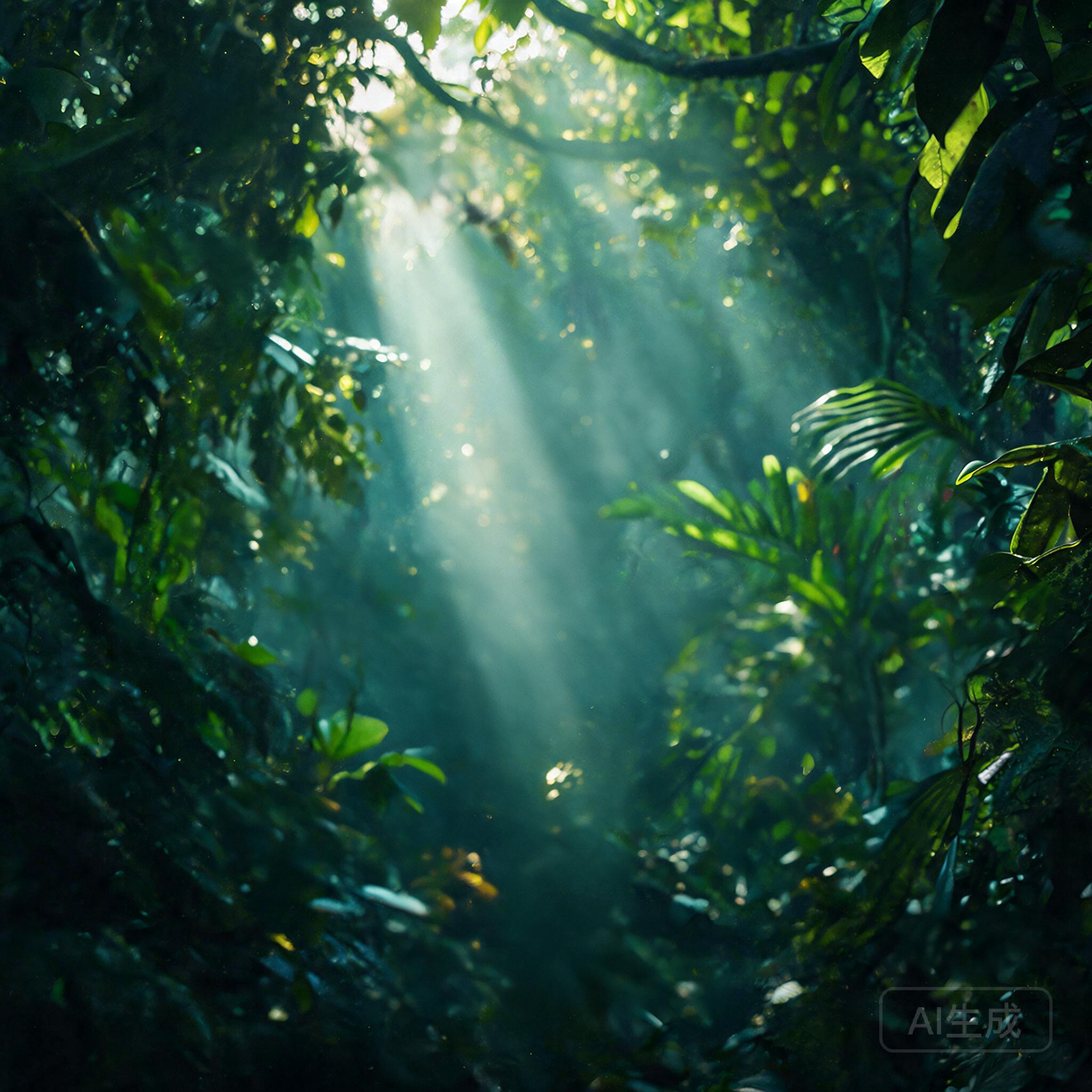
Scheid automatisch complexe achtergronden in onafhankelijke lagen, wat naadloze achtergrondvervanging en creatieve compositing mogelijk maakt.
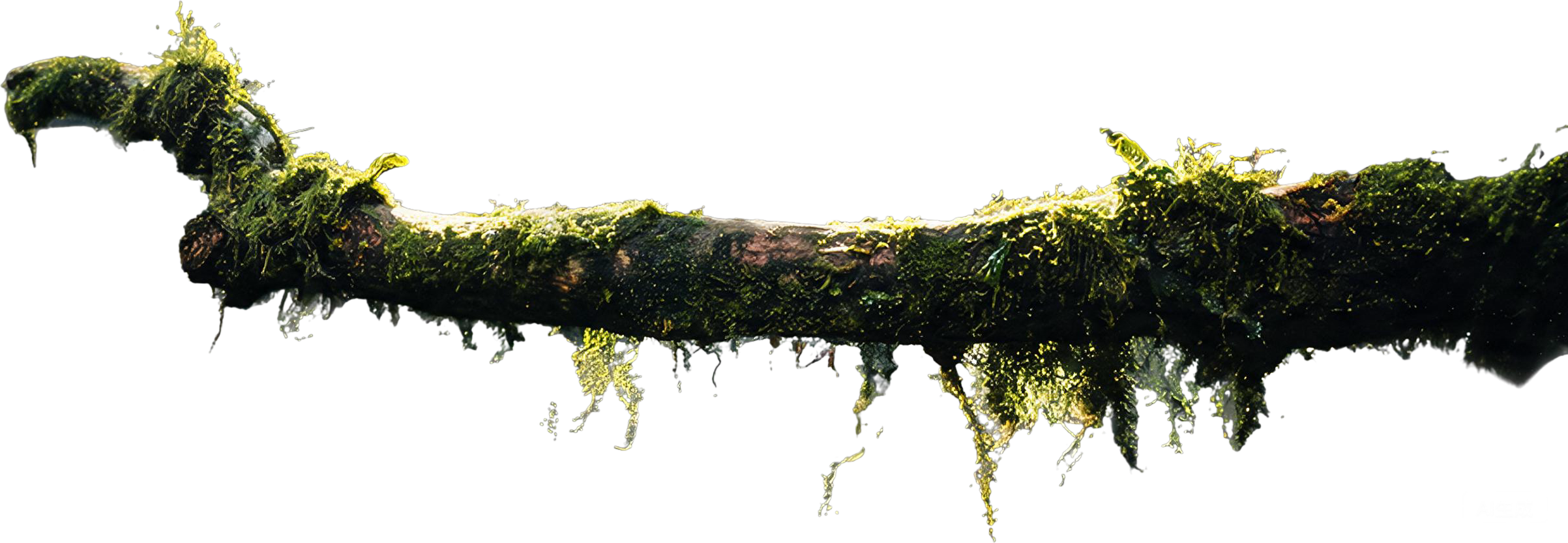
Genereren fully transparant RGBA layers that work directly in Photoshop, Figma, and other design tools — no manual masking required.
Detecteer en scheid tekst, logo's en grafische elementen van afbeeldingen in hun eigen bewerkbare lagen voor eenvoudige aanpassing.
Identificeer en isoleer individuele objecten binnen een scène, met aparte lagen voor elk element — perfect voor productfotografie en design.
Verken hoe afbeeldingslaag-ontleding werkt voor verschillende gebruikssituaties
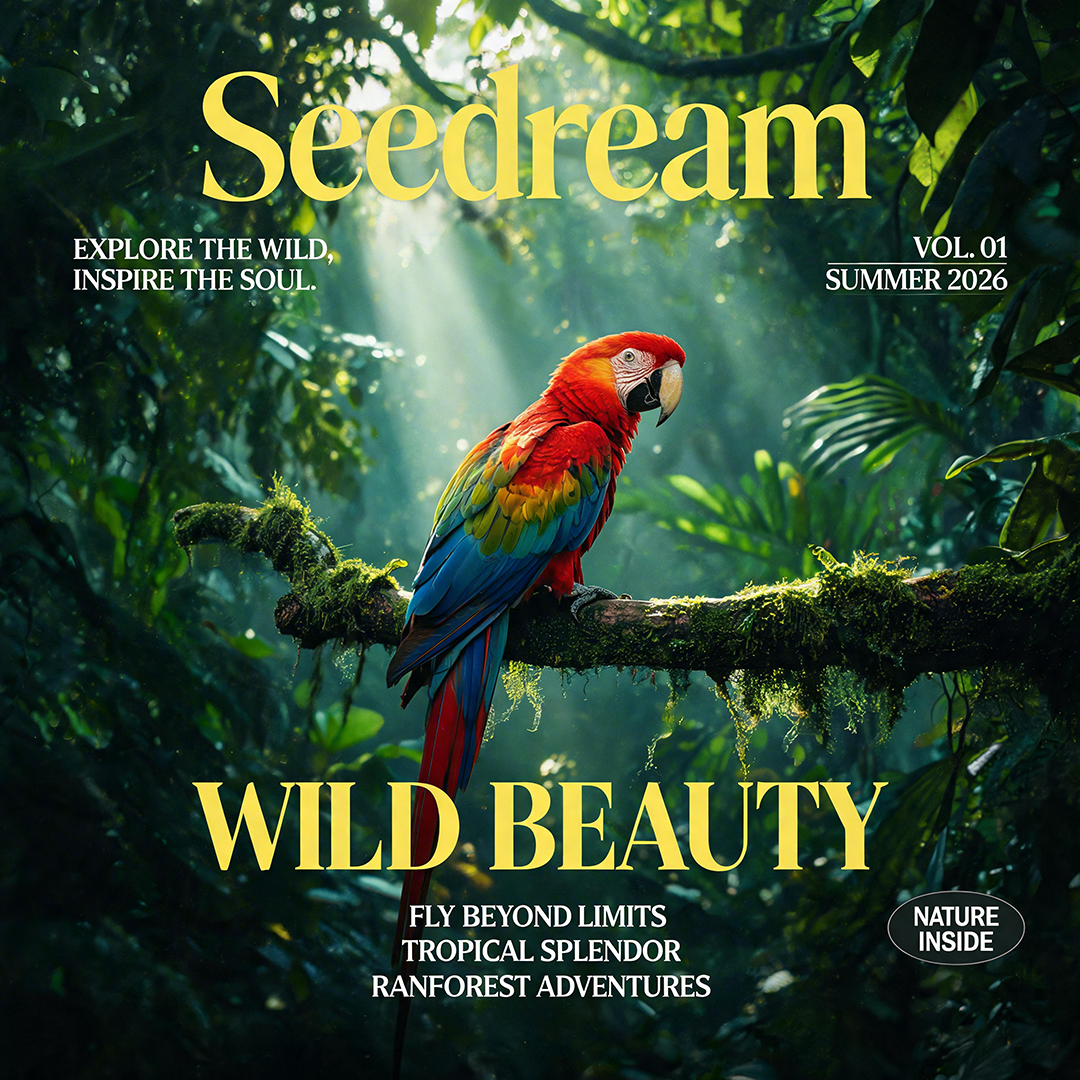
Identificeer en isoleer individuele objecten binnen een scène, met aparte lagen voor elk element — perfect voor productfotografie en design.
Detecteer en scheid tekst, logo's en grafische elementen van afbeeldingen in hun eigen bewerkbare lagen voor eenvoudige aanpassing.
 01
01 02
02 03
03 04
04Genereren fully transparant RGBA layers that work directly in Photoshop, Figma, and other design tools — no manual masking required.
Ontleed elke afbeelding in lagen in drie eenvoudige stappen
Upload een JPG- of PNG-afbeelding tot 10 MB: foto's, posters, illustraties en composities.
Our AI analyzes the image and intelligently separates it into multiple transparant RGBA layers — foreground, background, objects, and more.
Exporteer een gelaagde PSD met hetzelfde canvas, posities, namen en volgorde, of download alle transparante PNG's in één ZIP.
Alles wat u moet weten over AI-afbeeldingslaag-ontleding.