nano-banana-pro Complete Guide: 4K Image Generation & Editing Powered by Google Gemini 3 Pro Image
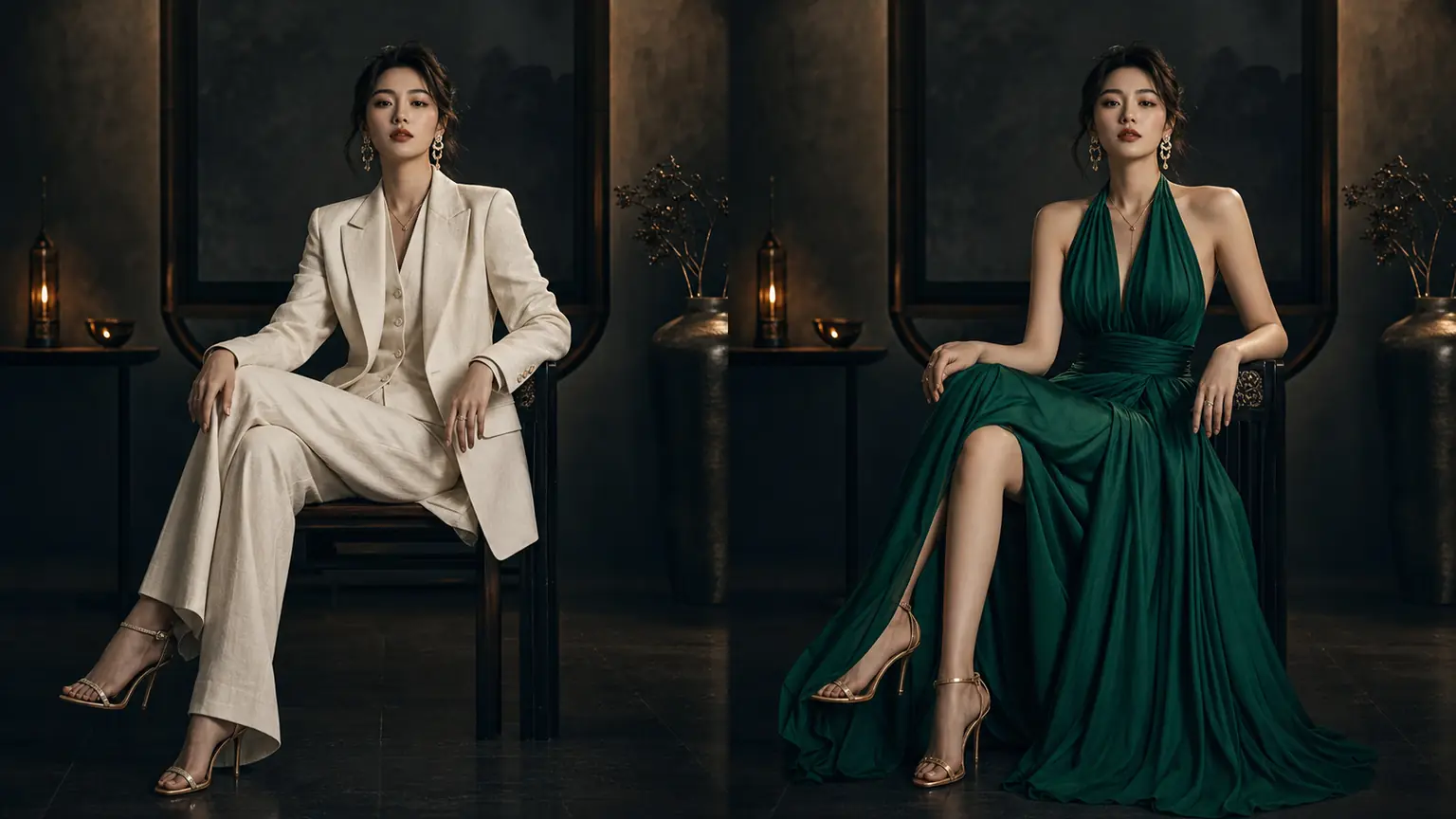
Nano Banana Pro is Google's image generation and editing model released in November 2025, built on the Gemini 3 Pro Image architecture. Among models in its class, it's the first to combine native 4K (~16MP) output, multi-character consistency for up to five people, sharp in-image text rendering, and support for up to six reference image inputs — all within a single workflow. PixMind has integrated the model, and you can try it directly on the Nano Banana Pro tool page.
This guide breaks down the core upgrades, practical use cases, competitive positioning, and frequently asked questions — covering the full scope of what this model can actually do.
Core Upgrades: What Nano Banana Pro Actually Delivers
1. Native 4K Output (~16MP)
Most mainstream image generation models have defaulted to output resolutions between 1024×1024 and 2048×2048 — ranges where upscaling introduces visible detail loss. Nano Banana Pro raises the ceiling to ~16MP (4K-class), which has real downstream implications:
- Print materials, outdoor advertising, and other high-resolution applications can use outputs directly without a separate upscaling step
- Richer detail across skin texture, fabric, and background depth is preserved in the original file
- Reduces reliance on post-processing upscalers, cutting steps from the production workflow
Based on announced specifications, native 4K output is the most significant hardware-level leap separating Nano Banana Pro from its predecessor, Nano Banana.
2. Character Consistency: Up to 5 People × 14 Reference Images Each
Maintaining consistent character appearance across generated images has long been one of AI image generation's most persistent limitations. Nano Banana Pro addresses this by supporting up to five independent characters in a single task, with up to 14 reference images per character serving as visual anchors.
This matters most in the following contexts:
- Brand marketing: Keeping brand ambassadors and product characters visually consistent across an entire asset library
- Comics and storyboards: Multi-character scenes without manual frame-by-frame appearance corrections
- E-commerce content: The same model wearing different outfits against different backgrounds, with consistent face and body
The 14-images-per-character ceiling far exceeds what most competing models currently support. Based on published specifications, this is among the highest reference image capacities available in this model tier.
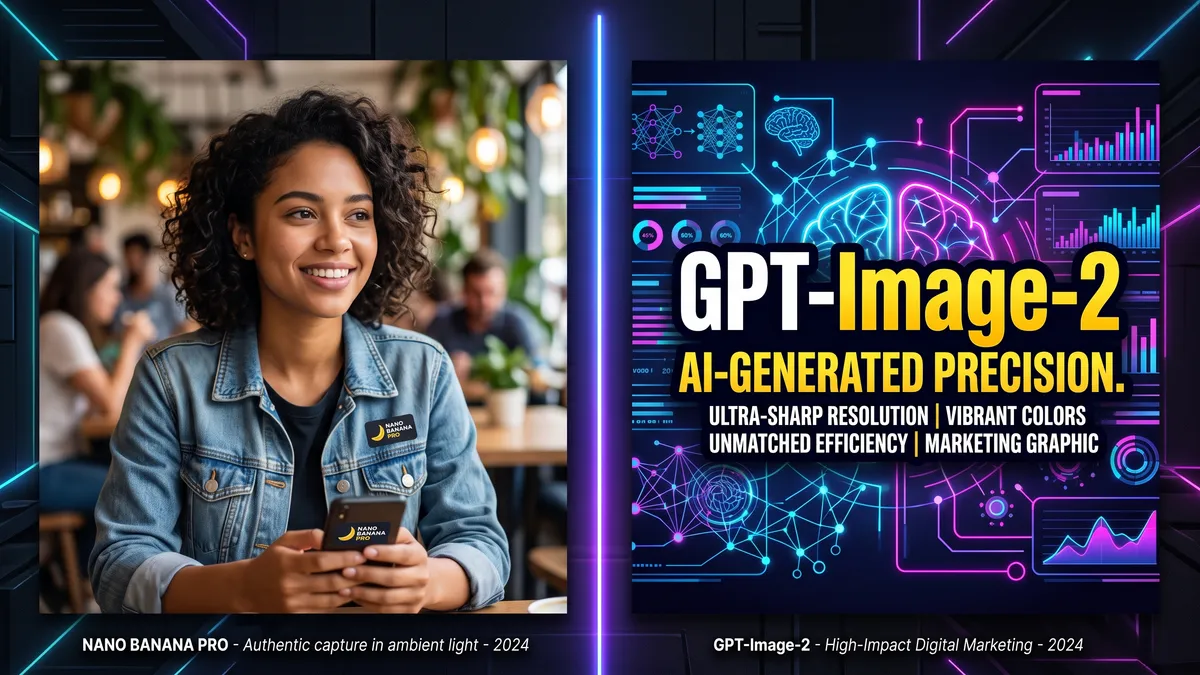
3. Sharp In-Image Text Rendering
Rendering legible text inside generated images has historically been a weak point across the board — distorted letterforms, misspellings, and inconsistent fonts are common failure modes. Nano Banana Pro includes dedicated optimization for in-image text, enabling clean rendering of:
- Poster headlines and subheadings
- Brand names and copy on product packaging
- Storefront signage, street signs, labels, and other contextual text
For marketing assets that need to be production-ready straight out of generation, this is a meaningful advantage — it reduces the need to bring Photoshop or a similar tool in for a text overlay pass.
4. Up to 6 Reference Image Inputs
Separate from the character reference system, Nano Banana Pro accepts up to six additional reference images alongside the prompt. These control overall style, composition, color palette, or the appearance of specific objects. The two reference channels — character references and general references — are independent and can be used simultaneously.
Common applications include:
- Brand style guide images + product photos → scene images that match brand visual identity
- Multiple style reference images → blended into a custom visual aesthetic
5. Generation and Editing in One Model
Nano Banana Pro handles both text-to-image generation and a full suite of image editing operations natively, without requiring a separate tool:
| Feature | Description |
|---|---|
| Inpainting | Replace content in a selected region while preserving the rest |
| Background replacement | Swap the background while keeping the subject intact |
| Style transfer | Apply a reference image's visual style to an existing image |
| Text editing | Modify existing text content within an image |
| Outpainting | Extend the canvas outward to fill image edges |
Keeping generation and editing inside the same model eliminates the quality degradation and workflow fragmentation that come with exporting between tools.
Practical Use Cases (Projected, Based on Announced Specifications)
The following scenarios are projected use cases based on official specifications. They are not the result of hands-on testing by PixMind editors.
Use Case 1: E-Commerce Product Images, Ready to Publish
E-commerce sellers can upload product photos as reference inputs, then use text prompts to generate white-background, lifestyle, or scene-based hero images. Native 4K output meets the high-resolution requirements of major platforms, and in-image text rendering means product names and key selling points can be embedded directly in the generated image.
PixMind's AI image generator has Nano Banana Pro integrated, covering the full workflow from reference image upload to final export in a single interface.
Use Case 2: Multi-Character Brand Content
Consider a fashion brand producing a series of autumn/winter campaign posters featuring three recurring models. With Nano Banana Pro's character consistency system, uploading reference images for each model once is enough to maintain consistent appearances across different backgrounds and outfit combinations — significantly reducing traditional photography costs.
Use Case 3: Marketing Posters in One Pass
Combining in-image text rendering with high-resolution output, designers can generate complete posters — headline, subheading, and brand slogan included — without generating a base image first and then layering text in a design tool. A workflow that previously required multiple applications collapses into a single step.
Use Case 4: Storyboards and Comic Panels
Content creators can use multi-character consistency to build coherent storyboards where character appearances stay fixed across panels while backgrounds and compositions shift with the narrative. This is well-suited for short-video script visualization and rapid comic draft iteration.
Nano Banana Pro Key Capabilities (Based on Official Specs)
| Capability | Nano Banana Pro |
|---|---|
| Underlying model | Gemini 3 Pro Image |
| Max native resolution | ~16MP (4K) |
| Character consistency | Up to 5 people / 14 ref images each |
| Reference image inputs | Up to 6 (independent of character refs) |
| In-image text rendering | Dedicated optimization |
| Editing | Inpainting / background replacement / style transfer / text editing / outpainting |
| Release date | November 2025 |
| Available on PixMind | ✅ |
The above reflects Google's officially published specifications, not independent PixMind testing. Specific differences versus GPT-Image-2, Midjourney v7, Seedream 5.0 Pro, and other current models should be evaluated against each model's official specifications.
For a direct comparison of Nano Banana Pro and Qwen Image 3 Pro, see: Qwen Image 3 Pro vs Nano Banana Pro.
How Nano Banana Pro Differs from the Previous-Gen Nano Banana
Nano Banana is available on PixMind as the prior-generation model, with foundational image generation and limited editing capabilities. The step up to Nano Banana Pro can be summarized across four dimensions:
- Resolution: ~4MP → ~16MP, roughly a 4× increase
- Character control: Limited support → systematic management of up to 5 characters with 14 reference images each
- Reference image inputs: 2–4 → 6, running in parallel with and independent of the character reference system
- Text rendering: General capability → dedicated optimization tuned for marketing asset production
- Editing depth: Basic editing → a full suite including outpainting
For users already working with Nano Banana, the Pro upgrade is substantial enough to justify a workflow switch — particularly for high-resolution output requirements and multi-character content production.
Using Nano Banana Pro on PixMind
Nano Banana Pro is live on PixMind under a Freemium + subscription model — free users can try core functionality, while subscribers get higher-resolution output and higher usage limits.
Go directly to the Nano Banana Pro tool page to start: enter a text prompt describing your target image, optionally upload reference images (for style, composition, or character anchoring), then edit within the same tool after generation. The exact interaction, parameter options, and plan entitlements follow what's currently shown on the tool page.
To explore more image models, PixMind's AI image generator overview lists all integrated model entry points.
FAQ
Q1: Is Nano Banana Pro the same model as Nano Banana?
No. Nano Banana Pro is a distinct, upgraded model powered by Gemini 3 Pro Image. It delivers substantial improvements in resolution, character consistency, reference image capacity, and editing depth. Both are available on PixMind as separate tools — Nano Banana and Nano Banana Pro each have their own tool page.
Q2: Is 4K (~16MP) output available on the free tier?
Under PixMind's Freemium model, free users can access Nano Banana Pro's core functionality, but high-resolution (4K/16MP) output is generally a subscription-tier benefit. Check the current PixMind tool page for the latest quota details.
Q3: Do I need to re-upload character reference images every time I generate?
Based on the published feature design, reference images can be reused within a session without re-uploading each time. The exact storage and reuse behavior follows the actual interaction design on the PixMind tool page.
Q4: Does Nano Banana Pro support non-Latin scripts — Chinese, for example — in in-image text?
Given Gemini 3 Pro Image's multilingual capabilities, Nano Banana Pro is expected to support in-image text rendering in multiple scripts including Chinese. Rendering quality may vary depending on typographic complexity and how precisely the language and font style are specified in the prompt. Explicitly stating the language and desired font style in your prompt is recommended.
Q5: Is Nano Banana Pro accessible to users without a design background?
Yes. PixMind's interface is designed with non-specialist users in mind — prompt input, reference image upload, and editing operations all include guided interactions. For e-commerce sellers, content creators, and small teams who need high-quality image output without professional design skills, Nano Banana Pro is one of the more accessible options currently available.
Who Should Be Paying Attention to Nano Banana Pro
Released in November 2025 and now available through PixMind, Nano Banana Pro is best suited for:
- E-commerce sellers who need high-resolution product images, in-image text out of the box, and fast iteration across multiple scenes
- Brand content teams maintaining visual consistency across multiple characters throughout a campaign
- Independent designers looking to consolidate generation and editing into one tool and reduce cross-application switching
- Content creators who need coherent multi-character scenes for short-video scripts, comics, or storyboards
For users already working with Qwen Image 3 Pro or other image models, Nano Banana Pro's native 4K output and systematic character consistency controls offer a differentiated capability set worth running in parallel in your workflow.