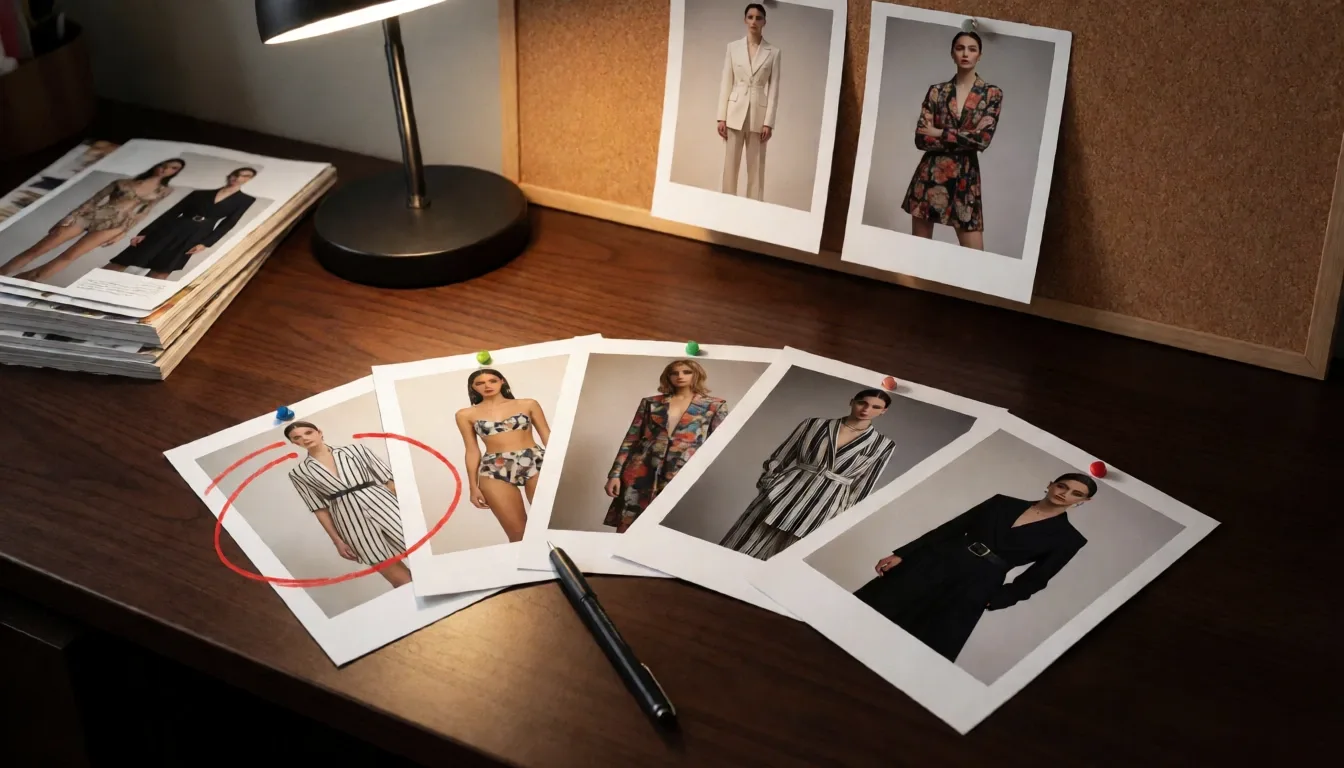
Krea AI Image Generator Review: Hands-On With Krea 2 Turbo
An honest review of Krea 2 Turbo as an image generator on PixMind — verified credits, ratios, speed, strengths, and the weaknesses you should know before spending credits.
Read More

Explore AI creative tips, product updates, and inspiration
Showing 12 of 122 articles
An honest review of Krea 2 Turbo as an image generator on PixMind — verified credits, ratios, speed, strengths, and the weaknesses you should know before spending credits.
Read More
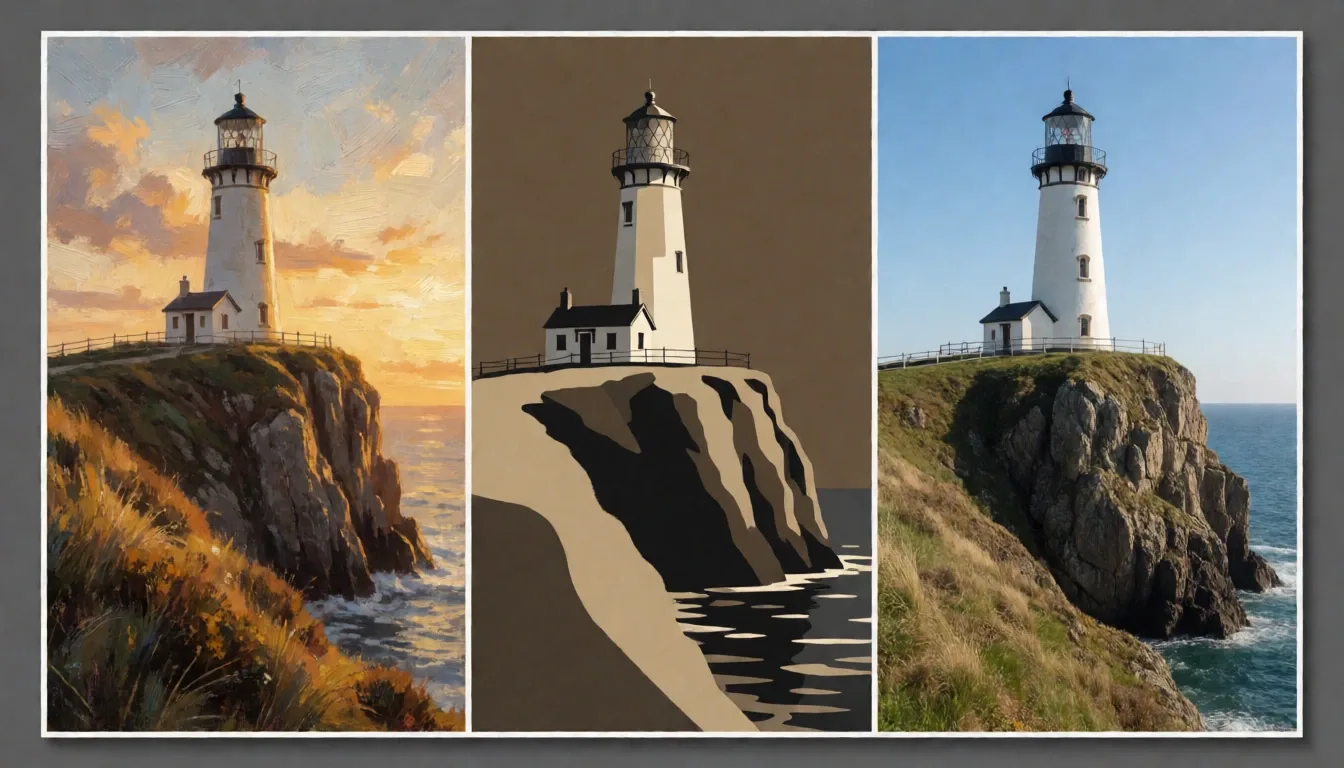
Krea 2 Turbo vs Midjourney V8.2 vs FLUX.1 Kontext Pro compared on one platform: verified credits, ratios, inputs, and reference control — plus a job by job picker.
Read More
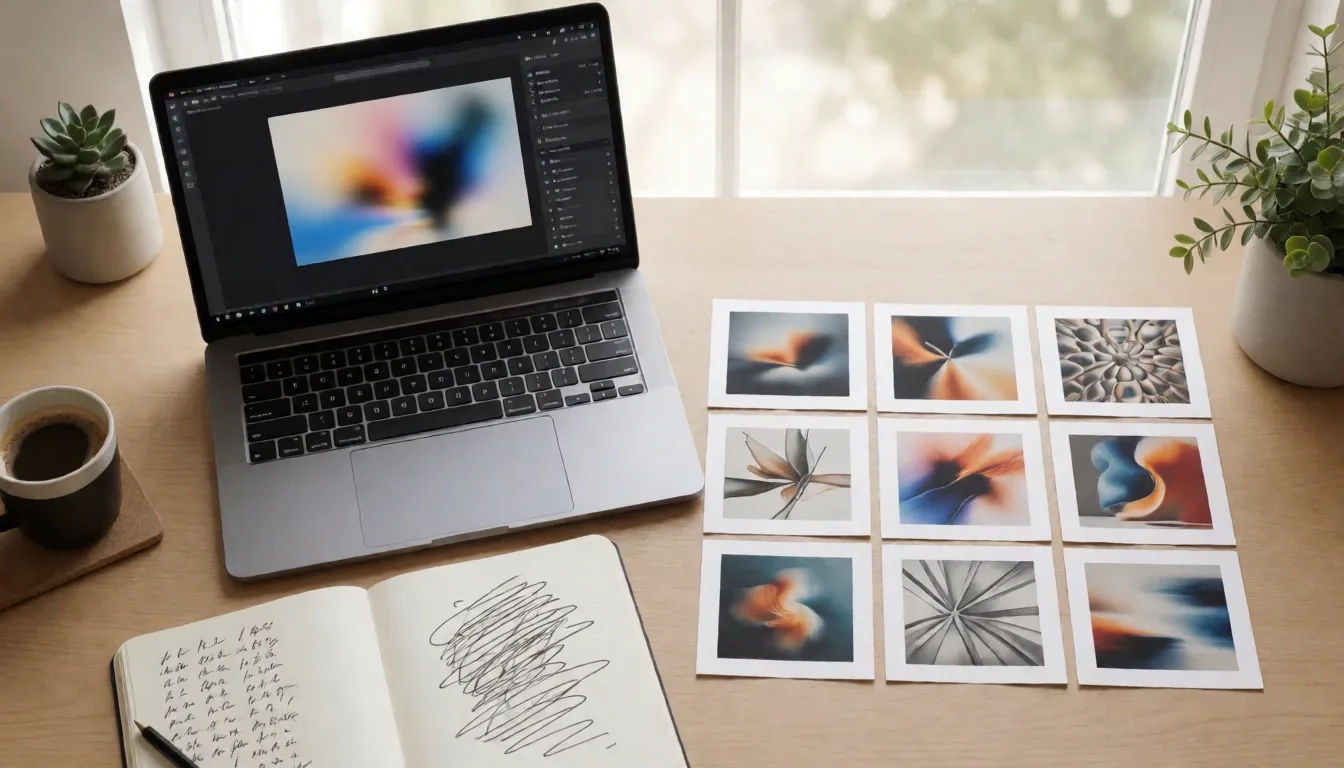
Learn how to use Krea 2 Turbo on PixMind step by step — natural language prompts, 11 aspect ratios, seed control, and the 1K to 2K re render workflow from blank page to print ready…
Read More

Hardcoded subtitles are burned into the video pixels and cannot be deleted from a track. This guide compares three removal approaches — manual editing, local AI models, and online…
Read More
Convert a video to GIF in five steps: trim, upload, resize, set frame rate, fix the loop. Settings tables for chats, docs, and social. Works with MP4, WebM, MOV.
Read More
Convert MP4 to GIF without quality loss: the right resolution, frame rate, and trim settings, plus why GIFs band and when to stay with MP4.
Read More
GIF vs MP4 compared: platform transcoding behavior, file size, quality, and audio — plus a ten second decision rule for chats, feeds, and docs.
Read More
Make a GIF from a YouTube or TikTok video: download, remove the watermark, trim 3–6 seconds, convert with the right width and frame rate.
Read More
Remove a white background from photos and get a transparent PNG or a clean white backdrop. Free online tool, no signup, works in any browser.
Read More

Remove a logo background online and download a transparent PNG for websites, video overlays, and merch. Free to start, no signup.
Read More
Amazon, Shopify, and Etsy product photo background rules explained, plus a fast way to batch convert shots to pure white backgrounds.
Read More
Remove image backgrounds without Photoshop: a faster browser workflow, when GIMP is worth opening, and what each method does to edges.
Read More