Choosing between Krea, Midjourney, and Flux is not a taste question — it's a job question. All three run side by side on PixMind with the same credits, which makes an honest comparison unusually easy: same workspace, same billing, dated facts. Everything below was verified against the live PixMind model API on 2026-10-05; the generator always shows the current price.
The short answer
- Krea 2 Turbo — open-ended aesthetic exploration at 16 credits a roll. Text-to-image only.
- Midjourney V8.2 — the signature stylized look, reference images, 79 credits.
- FLUX.1 Kontext Pro — instruction-following generation and image editing built around references.
- None of them is "best." Each wins a different job, and serious pipelines use two.
The three models at a glance
| Krea 2 Turbo | Midjourney V8.2 | FLUX.1 Kontext Pro | |
|---|---|---|---|
| Inputs on PixMind | Text-to-image | Text + reference images | Text + reference images |
| Aspect ratios | 11 (1:2 – 2:1) | 10 common | 8 common |
| Resolution | 1K / 2K | Model default | Model default |
| Seed control | Yes (0–1,048,576) | Not exposed on this route | Not exposed on this route |
| Credits per image | 16 | 79 | Shown live in the generator |
| Best at | Aesthetic breadth, fast iteration | Stylized illustration, art-directed finishes | Editing and consistency from references |
Snapshot verified 2026-10-05. Credits and controls in the generator are the source of truth.
Where each model comes from
Krea 2 Turbo is the speed edition of Krea 2 — Krea AI's first foundation model built from scratch, announced May 12, 2026. The Turbo announcement cites roughly two-second generation; the open weights (June 22, 2026) specify a 12B Diffusion Transformer distilled to 8 steps. It's the only one of the three you can self-host — the RAW companion checkpoint exists specifically for training LoRAs that then run on Turbo.
Midjourney V8.2 is the current default of the industry's most recognizable aesthetic brand. Per Midjourney's version reference, V8.2 became the standard model on July 24, 2026, focusing on aesthetics, image quality, and personalization. On Krea's own platform, Turbo works with style references, moodboards, and LoRAs — the current PixMind route exposes it as text-to-image only, which is the single biggest caveat in this comparison.
FLUX.1 Kontext Pro is Black Forest Labs' instruction-following model, described by its provider as built for text-to-image plus image editing with references and character consistency. Among the three, it's the editing-first option.
Round 1: Aesthetics and style range
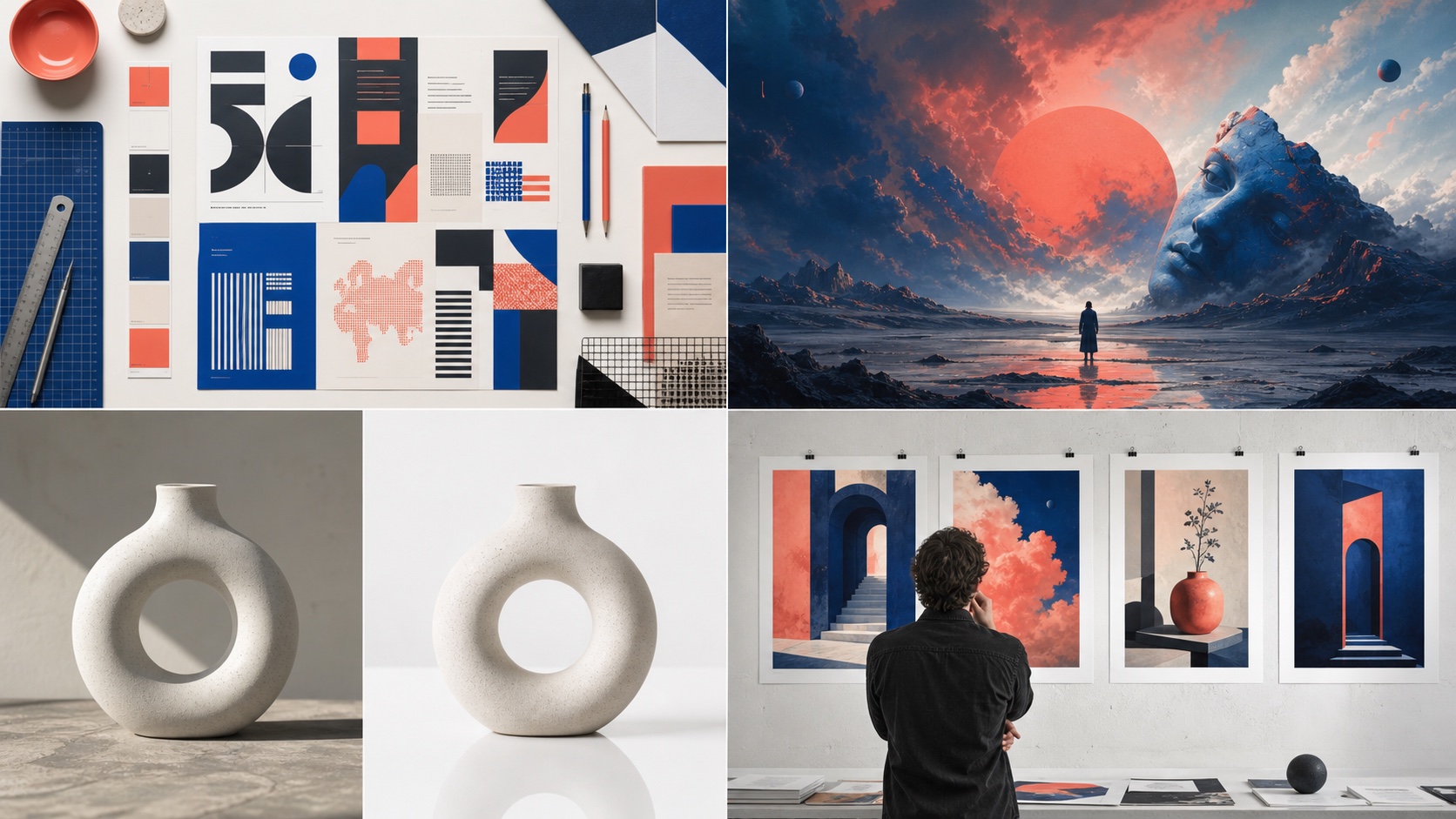
Krea 2's training goal is aesthetic diversity — the same prompt deliberately returns different finished looks, spanning editorial photography, risograph, ink wash, and flat illustration. If your job is discovering a direction, that variety is the feature.
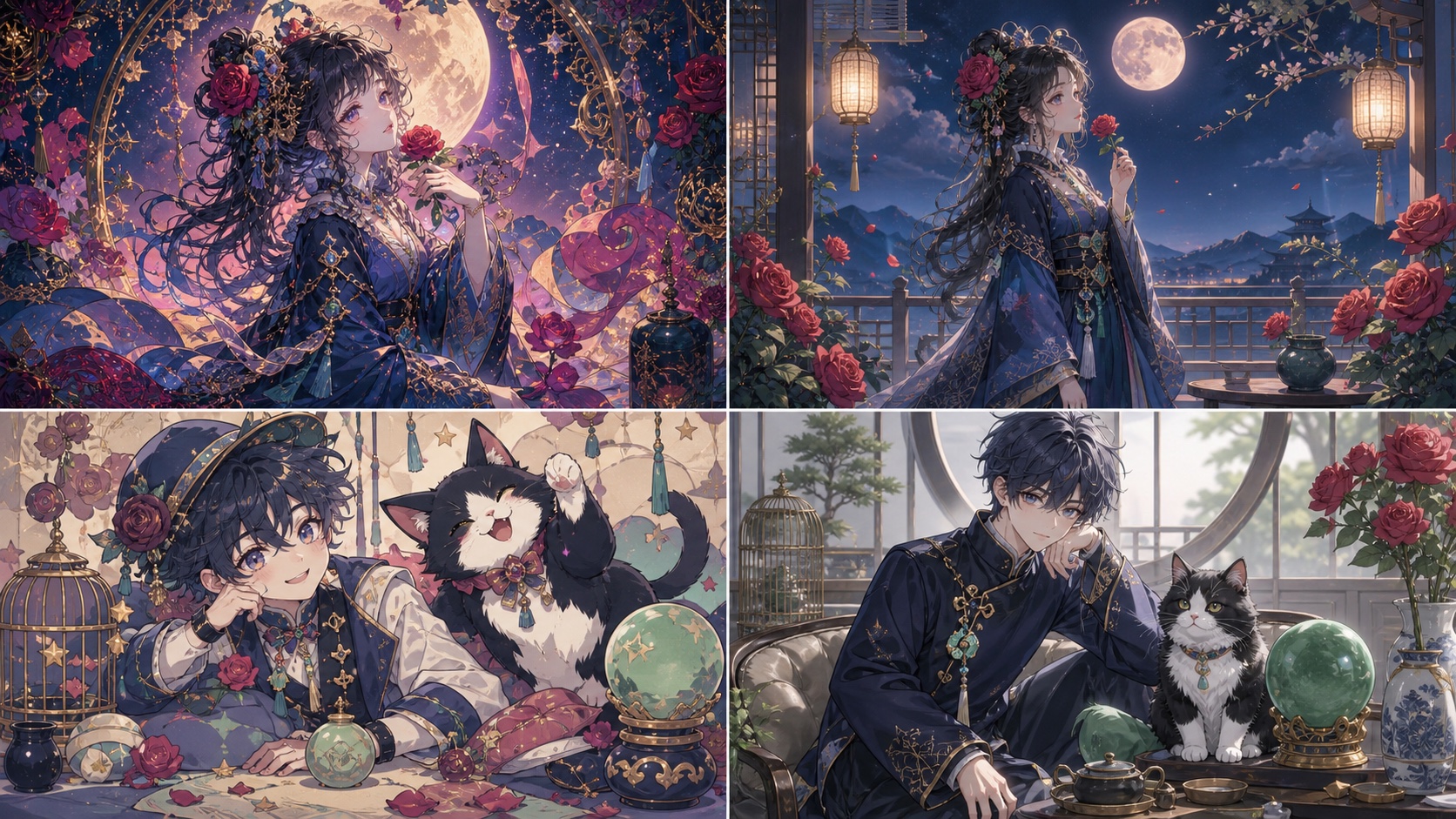
Midjourney V8.2 is the opposite philosophy: a strong, recognizable house style applied with remarkable consistency, then tuned through stylization and personalization controls. When the brief says "make it look like Midjourney," that's not a bug.
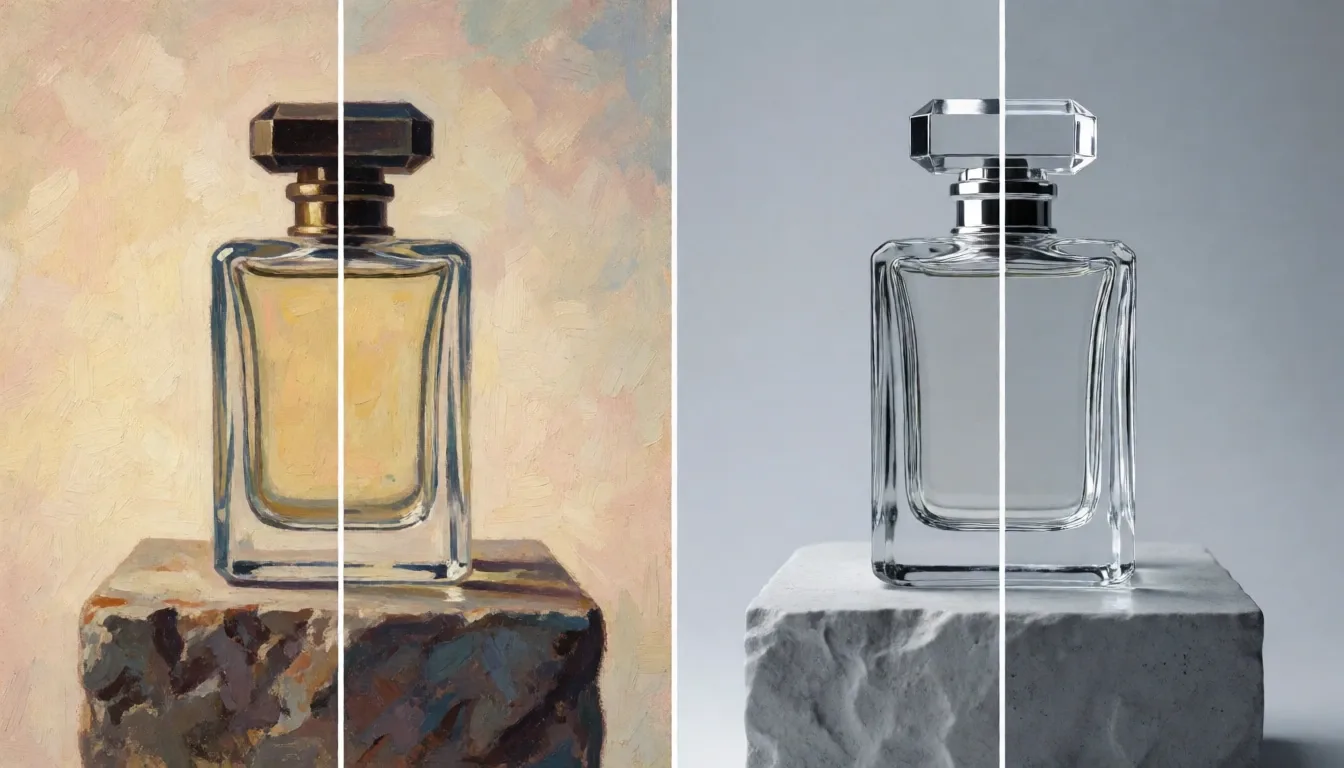
Flux Kontext's aesthetic lands closest to clean, neutral fidelity — which is exactly what you want when the image has to survive editing rounds and compositing without imposing a look.
Winner: Krea for breadth, Midjourney for a signature look, Flux for neutrality. Nobody sweeps.
Round 2: Iteration cost
Sixteen credits against seventy-nine is close to a 5× difference per image — and Krea's speed means you re-roll more often per minute. Exploration work (moodboards, concept passes, poster directions) is dramatically cheaper on Krea 2 Turbo; Midjourney's pricing makes the most sense on fewer, more deliberate renders where its style is the point.
Winner: Krea 2 Turbo for volume exploration, by arithmetic rather than adjectives.
Round 3: Control — references, consistency, seed
This is the round that decides most professional workflows:
- Reference images: Midjourney and Flux accept them on PixMind; Krea's current route does not. Product shots, brand assets, character sheets — these start from an image, which rules Krea out for the finishing pass.
- Seed reproducibility: Krea exposes seed control (0–1,048,576) on the route — lock a look, tweak wording, or hand the seed to teammates. Midjourney and Flux don't expose seeds on this route.
- Editing: Flux Kontext is built around it; Midjourney supports image-to-image workflows; Krea on PixMind is generation-only.
Winner: Flux for reference-driven editing, Midjourney for style-driven references, Krea for seed-driven reproducibility.
Round 4: Formats and output
Krea's 11 native ratios include the rarest slots — 1:2 and 2:1 banners, 5:4 print crops — plus a 1K-draft / 2K-final workflow. Midjourney covers the 10 common ratios; Flux 8. For banner systems, panoramic layouts, and print-adjacent crops, Krea saves the external cropping pass.
Winner: Krea 2 Turbo on ratio coverage and the 2K re-render path.
Round 5: Ecosystem and openness
Krea 2 is the only one of the three with open weights: self-host it, train LoRAs on RAW, run it in ComfyUI-style pipelines. Midjourney is closed by design. Flux sits in between — commercially licensed weights with a large third-party tooling ecosystem.
Winner: Krea, uncontested, if self-hosting or fine-tuning matters to you.
Which model for which job
| Job | Start with | Why |
|---|---|---|
| Moodboard / art-direction exploration | Krea 2 Turbo | Diversity per prompt at 16 credits |
| Campaign key visual with a locked style | Midjourney V8.2 | Signature aesthetics + references |
| Editing an existing image by instruction | FLUX.1 Kontext Pro | Built for reference editing |
| Character consistency across frames | Flux Kontext or Midjourney | Both accept references; Krea route doesn't |
| Banner / panoramic formats (1:2, 2:1) | Krea 2 Turbo | Native ratio support |
| Reproducible look across a team | Krea 2 Turbo | Seed control on the route |
| Poster with readable headline text | Nano Banana Pro | Text rendering — see below |
| Photoreal product campaigns | Seedream 5.0 Pro or Flux | Fidelity-first models |
For text-heavy images, none of these three is the right answer — Nano Banana Pro (12 credits) handles readable in-image text and reference editing, and our Krea review covers when that matters.
Frequently asked questions
Is Krea better than Midjourney?
For open-ended exploration at a fifth of the credit cost, yes. For Midjourney's recognizable style and reference support, no. Map the model to the job — the table above is the honest answer.
Can Krea 2 Turbo use reference images?
Not on the current PixMind route — text-to-image only. Krea's own platform and the open-source ecosystem add style references, moodboards, and LoRAs on the same base model.
Is Flux better than Midjourney for editing?
Flux Kontext is built around instruction-following edits and character consistency from references; Midjourney's strengths are generation-side. For editing work, Flux is the default pick of the two.
Which is cheapest per image?
Of the dated snapshot: Krea 2 Turbo at 16 credits, Midjourney V8.2 at 79. Flux Kontext credits vary — the generator shows the live price.
Do any of them render text well?
Small in-image text is unreliable across all three. For headlines and typography, use Nano Banana Pro.
Run your own comparison
The cheapest A/B is one prompt through both engines: open Krea 2 Turbo and Midjourney V8.2, run the same sentence, and compare what "different directions" means on each. For the full Krea workflow, start with the step-by-step tutorial.