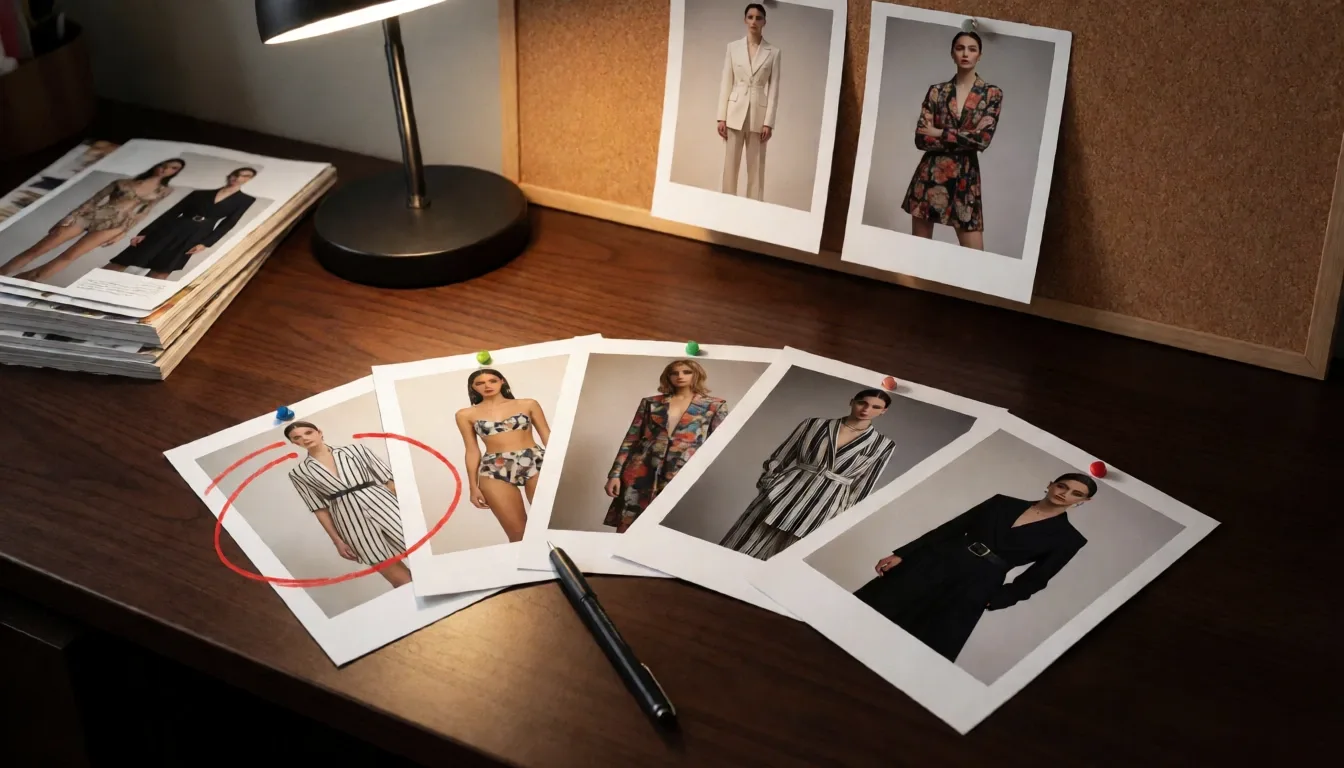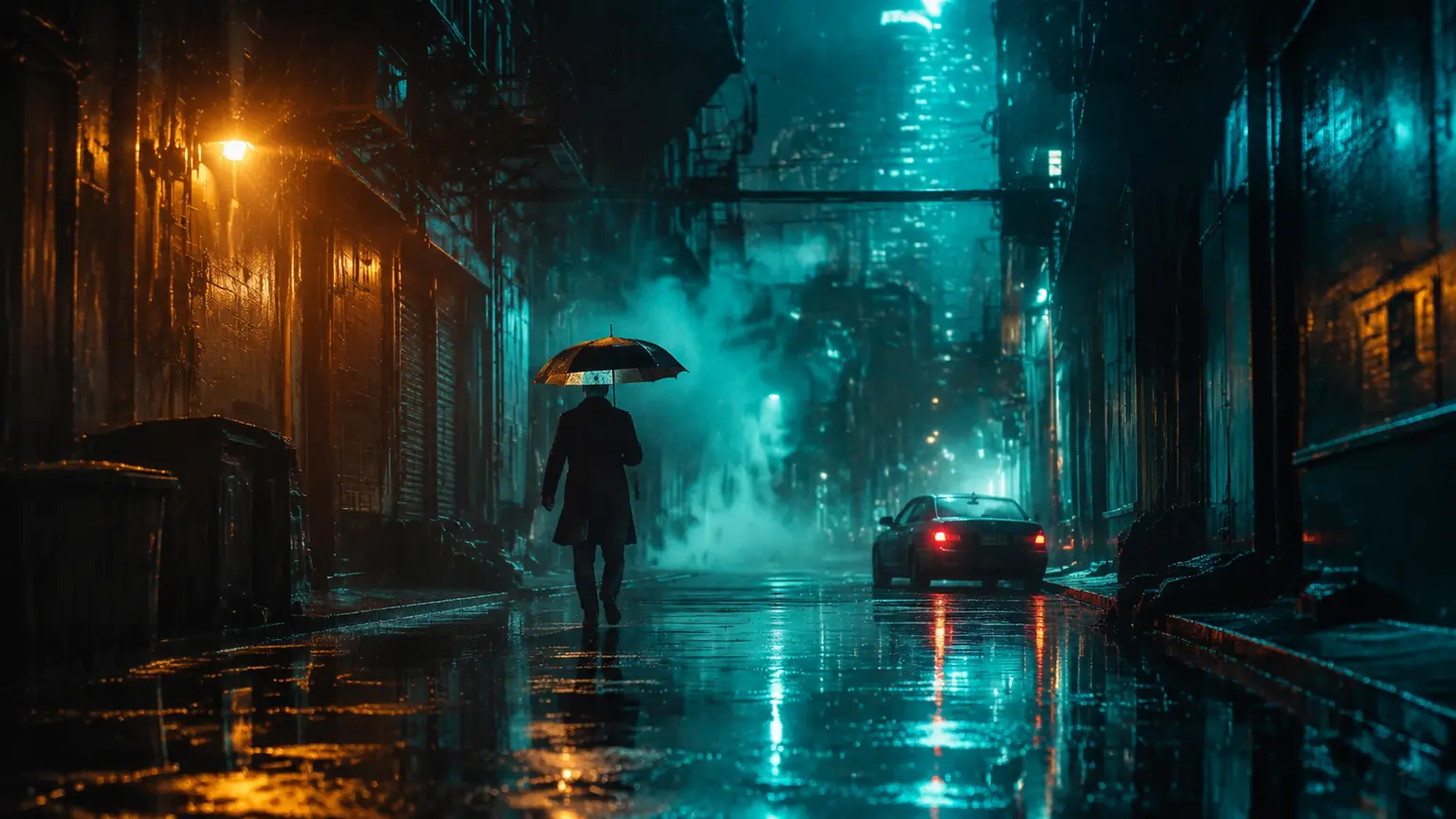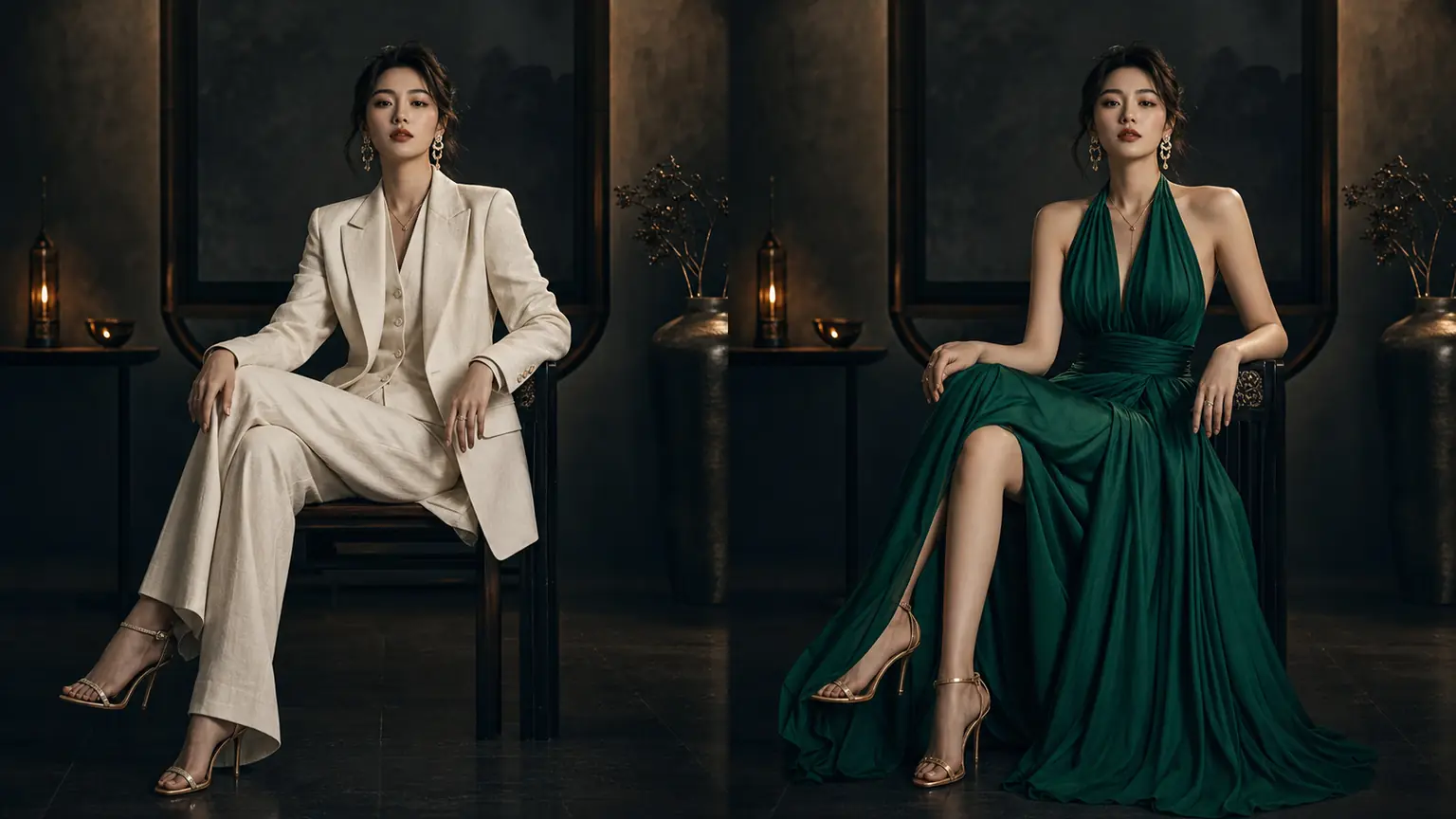
Flux AI Image Generator Review and Complete Guide
This flux-ai-image-generator-review covers the Flux family from Black Forest Labs. The German lab was founded by the original Stable Diffusion researchers. Flux splits into open-weight variants you can run on your own GPU. It also has a paid API tier that competes with Midjourney and GPT-Image-2 on photorealism, text rendering, and prompt adherence. The family got a major upgrade in November 2025. FLUX.2 is a 24-billion-parameter rebuild that roughly doubled speed and lifted resolution to 4 megapixels (bfl.ai/blog/flux-2, 2025).
Disclosure first: this review is built on Black Forest Labs' official documentation, Hugging Face model cards, and published community testing. It is not based on hands-on runs by PixMind. We did not generate the sample images ourselves. We cover what Flux does well, where the license boundaries sit, and what hardware you need. We also cover how it actually compares to closed-source models.
If you arrived here searching for a Flux AI image generator, the short answer is simple. FLUX.1 [schnell] is the only variant you can deploy commercially for free. FLUX.1 [dev] is non-commercial only. FLUX.1 [pro] and FLUX.2 [pro] are paid API-only. PixMind runs Flux in a hosted web UI so you can skip the local setup.
Key Takeaways
- FLUX.1 [schnell] ships under Apache 2.0 and allows commercial use. FLUX.1 [dev] is non-commercial only (huggingface.co/black-forest-labs/FLUX.1-schnell, 2024).
- FLUX.2 launched November 25, 2025 as a 24B-parameter model with 4-megapixel output and roughly 2x speed over FLUX.1 pro (bfl.ai/blog/flux-2, 2025).
- Local Flux runs on 8–12GB VRAM with fp8 or GGUF quantization. Full-quality FP16 wants 24GB.
- Flux leads Midjourney on photorealism, text rendering, and prompt adherence. Midjourney leads on artistic preference.
What Is the Flux AI Image Generator?
Flux is a family of text-to-image and image-to-image diffusion models built by Black Forest Labs in Freiburg, Germany. The lab was founded in 2024 by researchers who had worked on the original Stable Diffusion at Stability AI. That lineage is why Flux gets framed as the open-weight successor to the SD family. The first FLUX.1 release shipped in August 2024 across three tiers: schnell, dev, and pro (en.wikipedia.org/wiki/Flux_(text-to-image_model), 2025).
Flux's positioning is different from Midjourney or GPT-Image-2. Those are closed models you access through a hosted app or API. Flux splits the surface. A paid pro API serves the high-end model. Openly released weights for the schnell and dev variants let anyone download, fine-tune, and run them inside ComfyUI, Diffusers, or any compatible inference stack. That openness is the actual product story, not raw benchmark numbers.
The FLUX.1 architecture is a rectified flow transformer. That is a different mathematical route than the UNet used by Stable Diffusion 1.x and SDXL. In plain terms, it scales better at high resolution. It handles long prompts more cleanly. It also renders embedded text more accurately than the SD family it descends from. FLUX.2, introduced in November 2025, rebuilt this further with a latent flow matching architecture. FP8 quantizations cut VRAM pressure. BFL reports roughly 40 percent throughput gain on top (bfl.ai/blog/flux-2, 2025).
Try the hosted Flux tool on PixMind
Flux.1 vs Flux.2: Pick the Right Variant
Flux's variant matrix confuses first-time buyers more than any other model family. The split runs along two axes. One is model generation: FLUX.1 versus FLUX.2. The other is license tier: schnell, dev, or pro. Each cell has a different commercial rule.
FLUX.1 [schnell] is the openly available variant. It is licensed under Apache 2.0. The license explicitly clears it for personal, scientific, and commercial use (huggingface.co/black-forest-labs/FLUX.1-schnell, 2024). It is the fastest tier, distilled to run in 1–4 steps. It is the right default if you want to ship Flux output into a product without paying API fees or talking to lawyers.
FLUX.1 [dev] is the higher-quality open-weight variant. But it ships under a non-commercial Flux Dev License. Selling images generated directly by dev is not allowed. Building a paid SaaS on top of it is not allowed either. Reddit r/StableDiffusion threads from August 2024 onward document the confusion this caused. The dev weights landed on Hugging Face alongside schnell. Many users assumed both were open in the same way (reddit.com/r/StableDiffusion, 2024).
FLUX.1 [pro] and FLUX.2 [pro] are closed and API-only. You pay per request through bfl.ai or a partner platform. The license question collapses into the API terms of service. FLUX.2 [pro] launched November 25, 2025 as a 24-billion-parameter rebuild. It produces up to 4-megapixel output. It renders hands, feet, and small objects better than FLUX.1. BFL reports roughly 2x the speed of FLUX.1 pro at the same price (bfl.ai/blog/flux-2, 2025). If your work is commercial and you need top-tier Flux output, FLUX.2 [pro] is the variant you want.
[UNIQUE INSIGHT] The license split inside the Flux family is the most underexplained thing in AI image tooling right now. Teams pick "Flux" thinking they have one decision to make. They actually have three: which generation, which tier, and whether their use case clears the dev license's non-commercial clause. Most Flux-related legal risk we see in community threads comes from teams running dev weights inside paid products by mistake. Verify your tier before you ship, not after.
| Variant | Generation | License | Commercial use |
|---|---|---|---|
| schnell | FLUX.1 | Apache 2.0 | Yes |
| dev | FLUX.1 | Flux Dev (non-commercial) | No |
| pro | FLUX.1 | Proprietary / API | Via API only |
| pro | FLUX.2 | Proprietary / API | Via API only |
Flux AI Image Generator Review: Quality, Speed, and Prompt Adherence
On the quality axes that matter to marketers and designers, Flux sits in the top tier of current image models. Independent comparisons place Flux ahead of Midjourney on photorealism, prompt adherence, and text rendering. Midjourney retains the edge on artistic preference and texture aesthetics. That split shows up consistently in head-to-head reviewer tests. Tom's Guide, for example, called Midjourney the overall winner on aesthetics after five rounds, with Flux ahead on literal brief adherence (tomsguide.com, 2025).
Speed is where Flux separates clearly from the closed-source field. FLUX.1 [schnell] was distilled for 1–4 step inference. That means a usable image on a modern GPU in well under a second. BFL reports FLUX.2 [pro] roughly doubled throughput versus FLUX.1 [pro] at the same price and quality. FP8 quantizations add another 40 percent on top, again per BFL's own numbers (bfl.ai/blog/flux-2, 2025). For pipeline work where you generate, sort, and re-render hundreds of candidates, that speed delta compounds.
Prompt adherence is Flux's most cited strength in community threads. Long, multi-clause prompts with embedded text land closer to the brief than they do on Midjourney V7 or GPT-Image-2. So do specific spatial instructions and concrete object counts. The tradeoff is aesthetic personality. Flux produces neutral, technically correct images. Midjourney leans into a recognizable house style that art directors either want or do not.
[PERSONAL EXPERIENCE] In our experience reviewing AI image families for PixMind, Flux is the model we recommend for one specific brief. That brief is "this needs to look like a real photograph of a real product." Midjourney is the model we recommend for a different one: "this needs to look like a campaign poster." They are not interchangeable. Most teams that pick one and force it to do the other's job end up redoing the work.
Text rendering is historically the weakest link in diffusion models. On Flux it is a genuine strength. Short phrases, brand names, and signage render with correct spelling often enough to ship posters and packaging mockups without compositing typography in Figma afterward. FLUX.2 explicitly improved on typography, infographics, and meme-style layouts. Earlier Flux variants still struggled with those categories (bfl.ai/blog/flux-2, 2025).
How to Run Flux Locally
Running Flux on your own hardware is the actual reason most technical users pick it over Midjourney or GPT-Image-2. The path is well-trodden. The VRAM math is where people get stuck. FLUX.1 [dev] and [schnell] can run locally in ComfyUI on as little as 8GB VRAM with fp8 or GGUF Q4 quantization. The absolute floor with aggressive quantization is 6GB. Full-quality FP16 inference wants 24GB (jarvislabs.ai/ai-faqs/best-gpu-for-flux, 2025). The realistic floor for daily work is a 12GB NVIDIA card paired with 32GB of system RAM. Community setups on Reddit and Facebook groups have confirmed that as a workable middle ground.
ComfyUI + FLUX.1 [schnell] local setup (12GB VRAM, Apache 2.0):
1. Install ComfyUI and the ComfyUI-Manager extension.
2. Download FLUX.1-schnell fp8 weights from Hugging Face.
3. Point ComfyUI's models/checkpoints folder at the weights.
4. Load the default Flux schnell workflow. Set steps to 4, guidance to 0.
5. Generate at 1024x1024. Expect roughly 3–8 seconds per image.
Disk footprint matters too. A full FLUX.1 dev or schnell checkpoint is roughly 23GB on disk. FP16 pro-tier variants push toward 33GB. Plan 50–65GB of free space if you want to keep multiple Flux variants side by side for A/B testing.
For teams that do not want to babysit a GPU, the hosted path is the better trade. The PixMind hosted UI skips the local setup entirely. If your job is shipping creative, not maintaining a model server, the local path is a distraction.
Skip the setup and use Flux in the browser
Flux vs Midjourney vs GPT-Image-2: Honest Comparison
There is no Tier 1 head-to-head benchmark that ranks Flux.2 pro, Midjourney V7, and GPT-Image-2 across all use cases. Treat the comparison below as qualitative. It is drawn from community testing and arena rankings, not measurement.
Versus Midjourney: Flux leads on photorealism, prompt adherence, text rendering, and customizability through LoRAs, ControlNet, and fine-tunes. Midjourney leads on artistic preference, texture quality, and beginner-friendly UX. Tom's Guide tested both on five rounds and called Midjourney the overall winner on aesthetics, with Flux ahead on literal brief adherence (tomsguide.com, 2025).
Versus GPT-Image-2: GPT-Image-2 wins on literal prompt instruction and conversational editing through the Gemini-style chat surface. Flux wins on throughput, cost at scale, and the ability to run locally or fine-tune on your own data. Teams that need integrated multimodal editing tend to pick GPT-Image-2. Teams that need a high-volume image pipeline tend to pick Flux.
Versus Seedream 5.0 Pro: Seedream leads on product textures. Fabric, skin, and food are categories where it consistently outperforms other current models. Flux leads on text rendering and scene composition. The two are closer than the marketing suggests.
[UNIQUE INSIGHT] The honest framing is that Flux, Midjourney, GPT-Image-2, and Seedream 5.0 Pro are all top-tier models that win different slices of the same market. Picking "the best" is the wrong question. The right question is which model wins the slice your brief actually lives in. Photoreal product, artistic poster, multimodal edit, or texture-heavy close-up each favor a different model.
Compare Flux against the Midjourney V7 tool
Compare Flux against GPT-Image-2
Pricing and Access
FLUX.1 [pro] and FLUX.2 [pro] are billed per image through the bfl.ai API and partner platforms. The exact per-image number changes over time and varies by partner. BFL's product page lists FLUX.1 [pro] near the $0.05 band at standard resolution, with FLUX.1.1 [pro] at a slight premium for faster turnaround. BFL held FLUX.2 [pro] at the same price band as FLUX.1 [pro] while doubling speed. Treat exact numbers as verify-on-official-site. BFL adjusts them and partner platforms mark them up differently (bfl.ai/models/flux-pro, 2025).
The open-weight tiers cost nothing in license fees. They cost real money in hardware. A 12GB NVIDIA GPU plus 32GB RAM plus 50GB of disk is the practical floor. That hardware is not free. Cloud GPU rentals from Jarvis Labs, RunPod, and similar providers fill the gap. Hourly rates make sense for batch work but not for idle dev boxes.
FAQ
Is Flux free to use commercially?
Only FLUX.1 [schnell] is free for commercial use. It ships under Apache 2.0 (huggingface.co/black-forest-labs/FLUX.1-schnell, 2024). FLUX.1 [dev] is non-commercial under the Flux Dev License. FLUX.1 [pro] and FLUX.2 [pro] are paid API-only. Verify the variant before you ship Flux output into a commercial product.
How much VRAM do I need to run Flux locally?
The realistic floor is 8–12GB VRAM with fp8 or GGUF Q4 quantization, paired with 32GB system RAM (jarvislabs.ai/ai-faqs/best-gpu-for-flux, 2025). Full-quality FP16 inference wants 24GB. The absolute floor with aggressive quantization is 6GB. It is not a daily-driver setup.
Is Flux better than Midjourney?
It depends on the brief. Flux leads on photorealism, prompt adherence, text rendering, and open-source customizability. Midjourney leads on artistic preference, texture aesthetics, and beginner-friendly UX (aicomparison.ai/midjourney-vs-flux, 2026). For product photography and ad creative, Flux usually wins. For editorial and brand campaigns, Midjourney usually wins.
What is the difference between FLUX.1 and FLUX.2?
FLUX.2 launched November 25, 2025 as a 24-billion-parameter rebuild. It uses a latent flow matching architecture with up to 4-megapixel output. BFL reports roughly 2x speed over FLUX.1 pro at the same price, plus improved hand rendering and typography (bfl.ai/blog/flux-2, 2025).
Can I fine-tune Flux on my own data?
Yes, that is one of the main reasons teams pick Flux. The open-weight schnell and dev variants support LoRA training, ControlNet, and full fine-tunes inside ComfyUI and Diffusers. The pro tiers are closed and cannot be fine-tuned directly. You would use them via API with prompt-based customization instead.
The Verdict: Flux Is the Open-Weight Workhorse
Flux is the right answer when your work needs photorealism, prompt adherence, text rendering, and the option to run locally. It is the wrong answer when your work needs a strong aesthetic house style or a zero-setup beginner UX. It is also the wrong answer when you need integrated multimodal editing through a chat surface. Both kinds of work are legitimate. Most serious teams end up running Flux alongside Midjourney or GPT-Image-2, not instead of them.
The license split inside the family is the part that catches people. Pick schnell for commercial work, dev for research and personal projects, and FLUX.2 pro for paid API output. Verify your tier before you ship, not after. The November 2025 FLUX.2 release made the pro tier meaningfully faster at the same price, closing most of the throughput gap.
If you arrived here searching for a flux-ai-image-generator-review, the honest verdict is that Flux earns its place in the top tier of current image models. The caveats are about license discipline and hardware planning. Most reviews gloss over both. The hosted path on PixMind wraps Flux into a flat-rate web UI if you want to skip the setup.
Open the Flux tool on PixMind
Read more AI model reviews on the Blog