Connect sign and architecture
Develop sign placement, fascia depth, entrance framing, window rhythm, and facade materials as one composition.

Explore how signage, entrance, display windows, facade proportions, materials, and lighting can work together as one commercial identity.
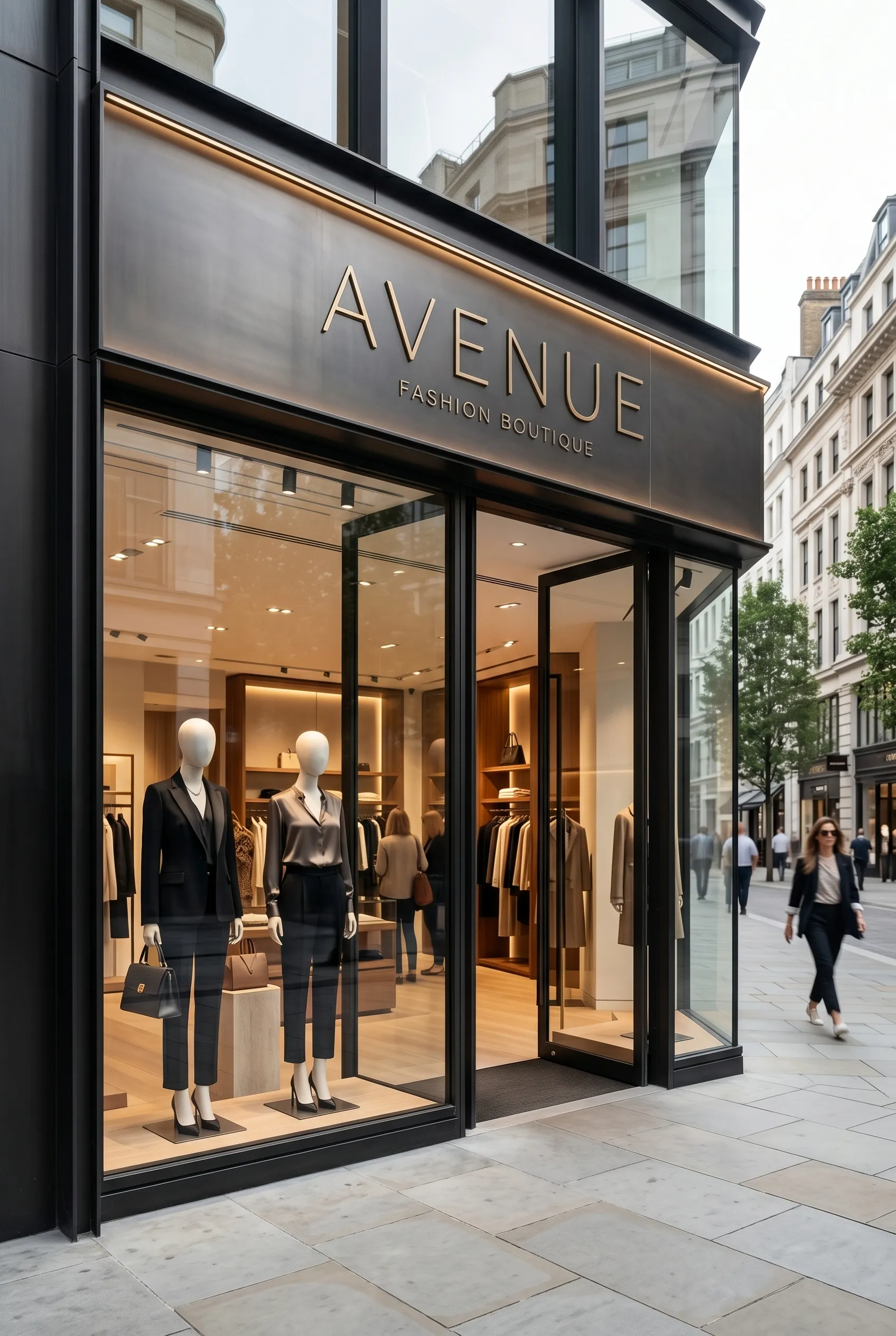
Editorial fashion storefront
Controlled spacing and display windows support a premium retail impression.
A convincing shop front coordinates recognition, access, window visibility, material transitions, day-to-night lighting, and the surrounding building. This workflow is intended for early commercial facade exploration: describe the business and desired impression, generate several visual directions, and identify the ideas worth taking into measured design development. For an existing location, switch to Photo Redesign so the original openings and building proportions remain the reference.
Develop sign placement, fascia depth, entrance framing, window rhythm, and facade materials as one composition.
Explore open food and beverage frontage, editorial boutique windows, trustworthy service environments, or clear everyday retail access.
Describe daylight materials and controlled evening illumination instead of relying on excessive glow or generic neon.
Each direction considers the entrance, windows, facade, and sign together.
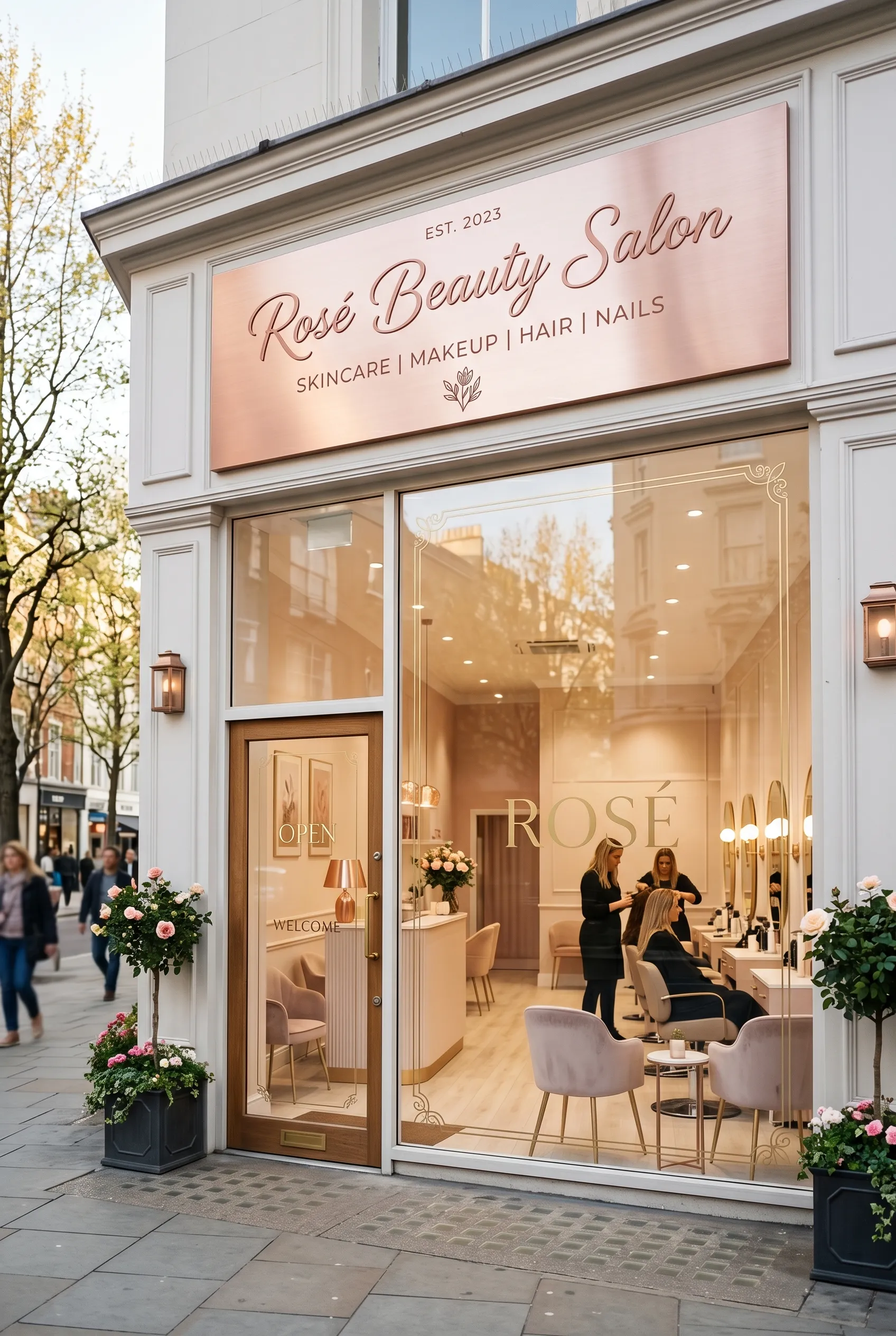
A softer material palette and controlled privacy suit an appointment-led business.
Prompt starter
Storefront design for 'MUSE SKIN STUDIO', elegant beauty clinic, refined wordmark, translucent privacy glazing, pale stone and champagne metal, calm warm lighting, realistic premium neighborhood facade.

Graphic identity and flexible display windows support changing retail campaigns.
Prompt starter
Urban concept store for 'COMMON OBJECTS', bold but disciplined typography, modular display windows, charcoal metal and clear glass, one cobalt accent, natural overcast architectural photography.
State what the business sells, who it serves, its price position, and the impression customers should receive from the street.
Mention entrance visibility, display needs, privacy, materials, day or night setting, and any architectural elements that must remain.
Use the generated image to discuss direction, then rebuild it with verified dimensions, codes, construction details, and production artwork.
You can direct the sign, fascia, entrance, display windows, facade material, palette, lighting, environment, and overall business style.
Yes. Upload a frontal storefront photograph in Photo Redesign and choose whether to edit only the signboard or the signboard plus facade finishes.
Photo Redesign explicitly asks the model to preserve them, but generative edits can still drift. Compare the result closely with the original photograph.
No. It accelerates visual exploration, while measured drawings, compliance, material specifications, and construction coordination still require qualified professionals.
Describe the business, target customer, price position, entrance priorities, display needs, privacy, preferred materials, and whether the key view is daytime or evening.
Yes. Generate up to four outputs and compare how each option handles the sign, entrance, windows, materials, and lighting as one system.
Replace broad style words with business-specific details such as service model, street context, customer behavior, facade rhythm, material transitions, and one distinctive brand cue.
Use Inspiration before a site is chosen. Once you have a candidate location, use Photo Redesign to test the direction against its real openings and proportions.
Check material color and window visibility in daylight, then check sign contrast, glare, entrance emphasis, and light spill in the evening version.
Start with the business name, audience, and the street-level impression you want to create.
Design a storefrontFeature snapshot verified July 18, 2026: three creation modes and one to four outputs per run.